MeTRICS
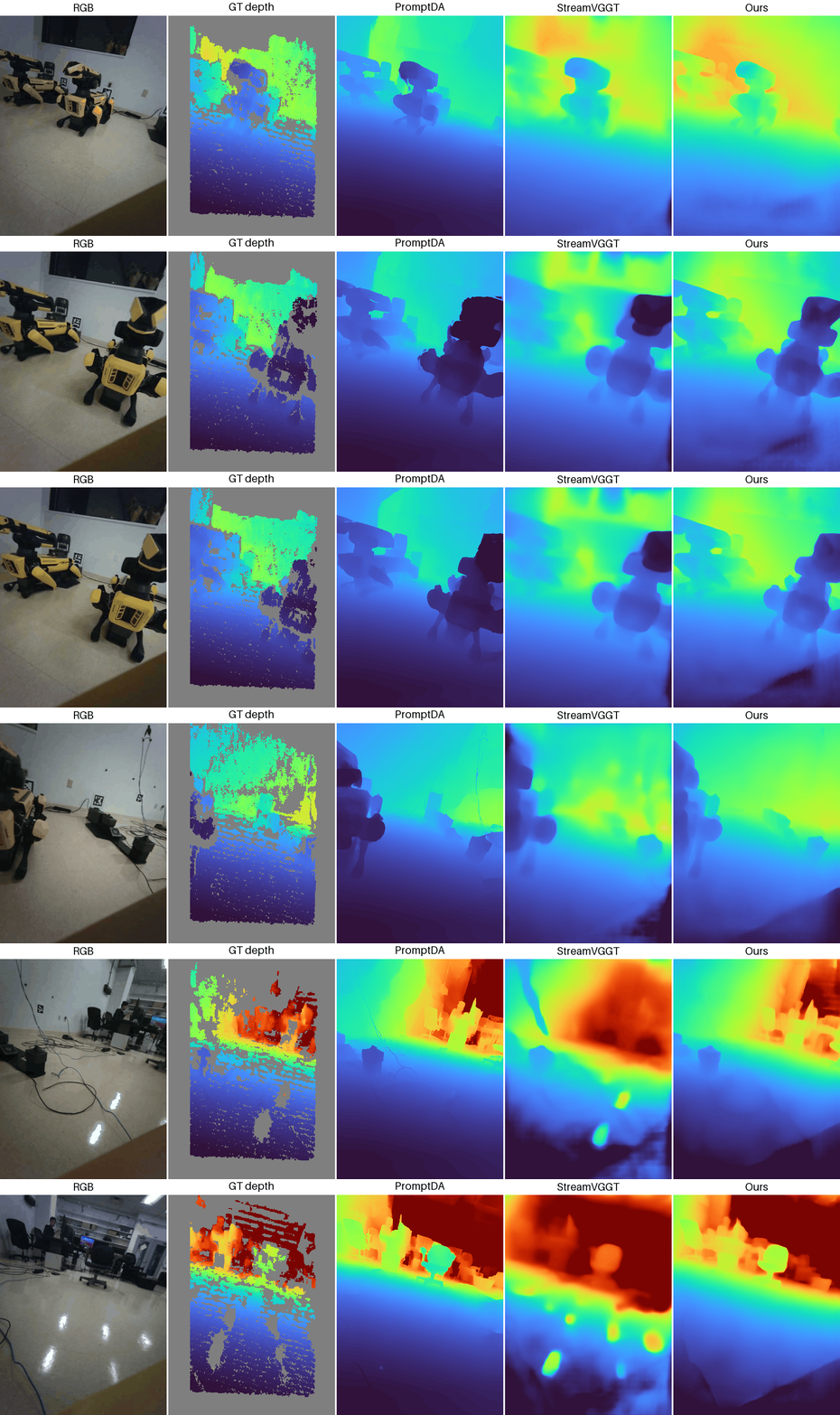
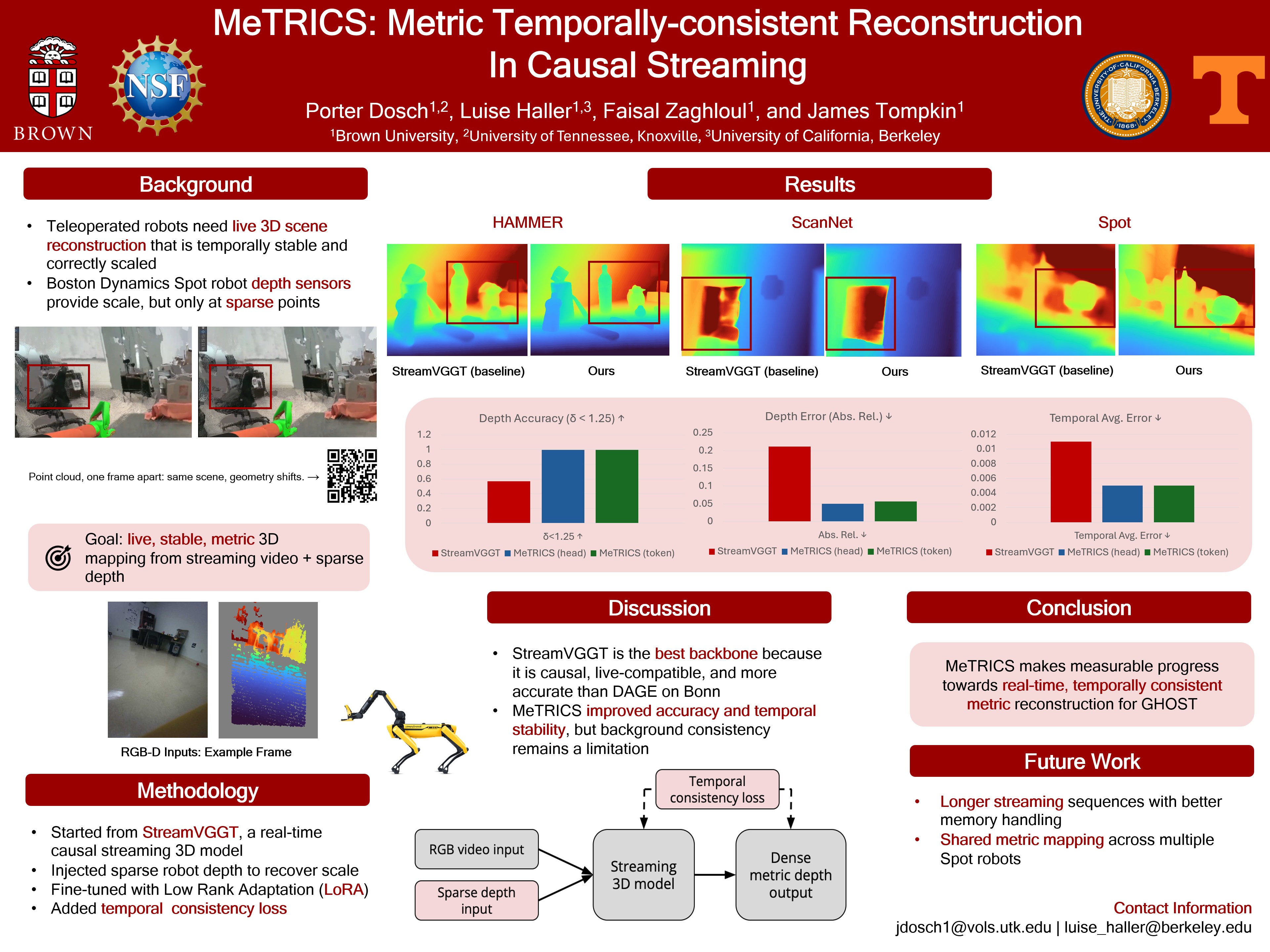
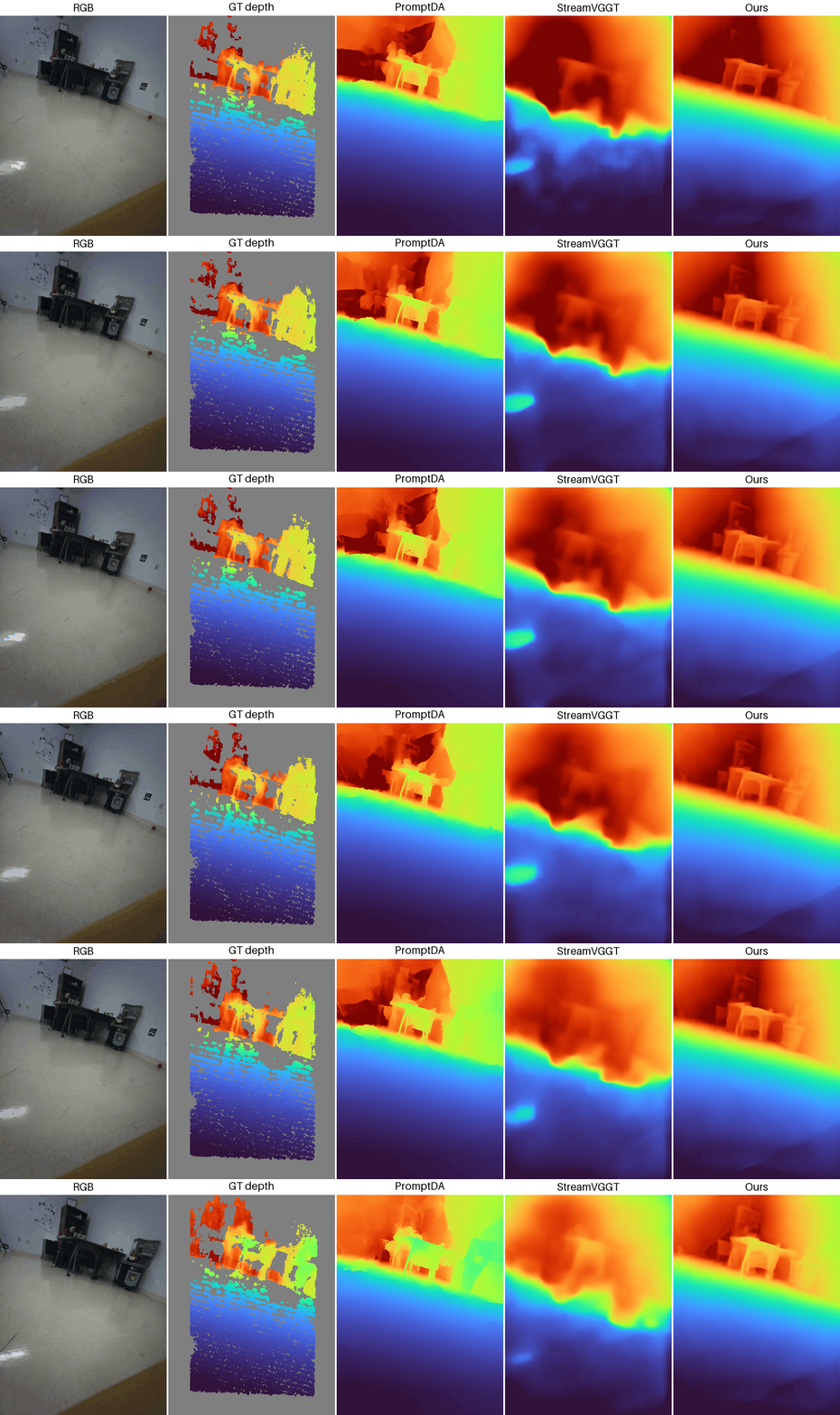
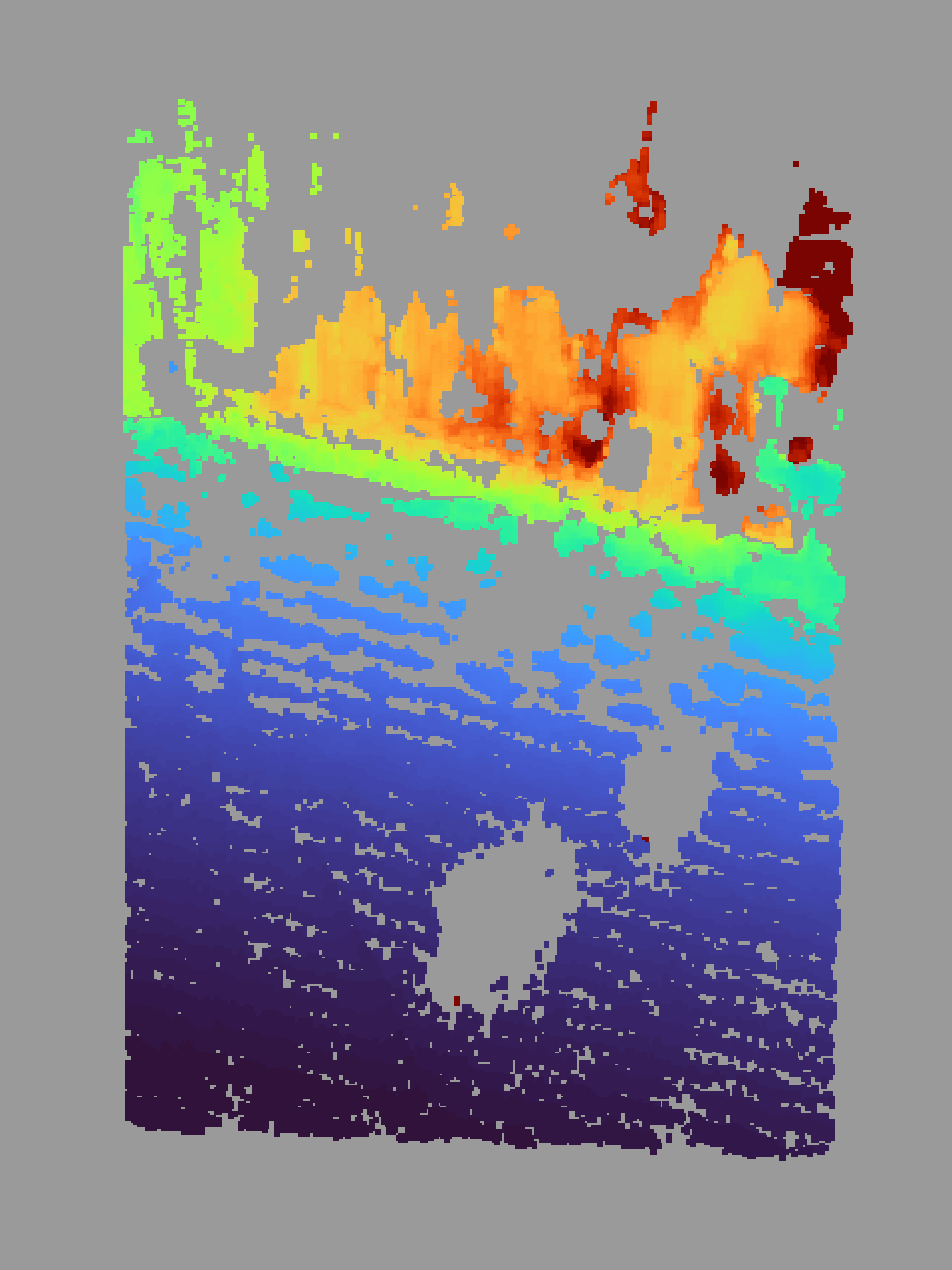
A streaming 3D transformer, fine-tuned to fuse the sparse stereo depth a walking robot actually produces into dense metric depth that holds still between frames.
First author · Brown University Visual Computing Group · In submission
I work on recovering structure from measurements that are sparse, small, or noisy.
Computer science and mathematics, University of Tennessee · Applying to computer vision PhD programs this fall
Real data has imperfect information. I study how systems can still learn effective representations under these constraints.
I'm a senior at the University of Tennessee studying computer science and mathematics, graduating May 2027. I spent summer 2026 at Brown's Visual Computing Group and am continuing that work remotely. I'm applying to computer vision PhD programs this cycle.
A streaming 3D transformer, fine-tuned to fuse the sparse stereo depth a walking robot actually produces into dense metric depth that holds still between frames.
First author · Brown University Visual Computing Group · In submission
Targets a few pixels across, on-axis and at very low contrast, that standard downsampling destroys before the detector ever sees them. Backbone and FPN design study.
AICIP Lab, University of Tennessee · In revision
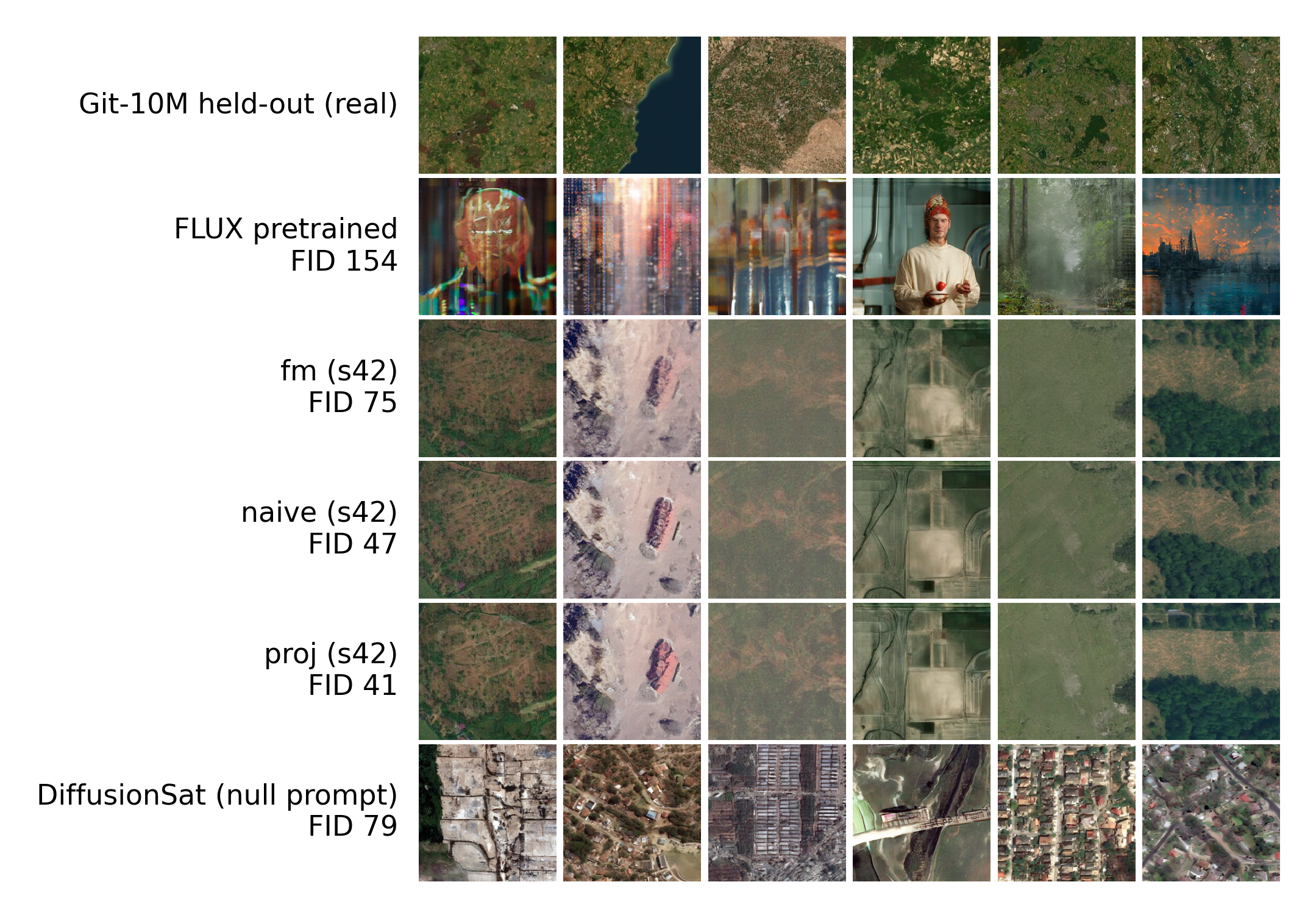
A 12B-parameter FLUX.1-dev backbone adapted to satellite imagery with LoRA, aligned label-free to a frozen DINOv3-Sat teacher while training the semantic and flow-matching objectives jointly. Across six GEO-Bench classification tasks, three segmentation tasks, and five label budgets, mean-over-budget So2Sat accuracy rose 4.5 points and BigEarthNet micro-F1 3.6 points over frozen FLUX. Joint adaptation also cut held-out generation FID from 74.6 to 40.9 relative to flow-only training while preserving the semantic-transfer gains.
Independent · Manuscript in preparation
ResNet and ViT detectors benchmarked under PGD and FGSM across 202k images, after rebuilding the training pipeline for a 35× throughput gain.
ORNL Learning Systems Group · SULI
Manuscript in preparation
Under review at ACM Transactions on Privacy and Security
In revision